Unplanned breakdowns can bring an entire operation to a halt. In industrial facilities, every minute of downtime means lost revenue and production delays and in some cases, increased safety risks. That’s why many operators now turn to predictive maintenance, which helps identify issues before they escalate into failures.
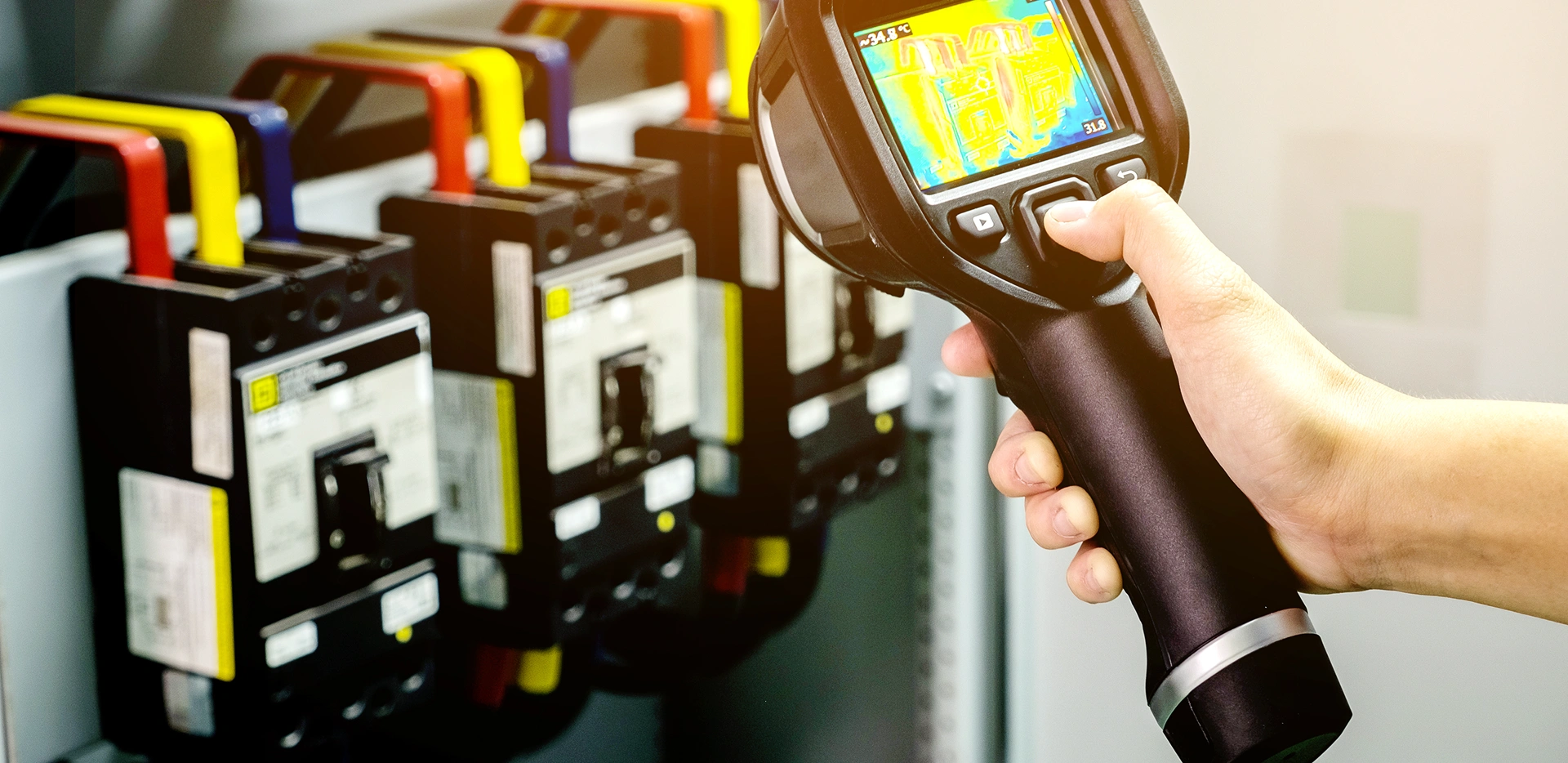
Thermography or thermal imaging has become a go-to tool for predictive maintenance. By spotting unusual heat patterns that can’t be seen with the naked eye, it helps identify issues early so repairs can be scheduled without interrupting operations.
Why Thermography Works for Predictive Maintenance
Thermography works because it shows problems that you can’t see with the naked eye. Every piece of equipment gives off heat when it runs. If something is failing, like a loose connection, worn bearing, or overloaded circuit, it will usually get hotter than normal. Thermal cameras detect this heat pattern instantly, even before the problem becomes serious.
Thermal imaging is also non-invasive. This means that the inspections can be carried out without shutting down the equipment or disrupting operations. It allows maintenance teams to detect and address issues while systems are running at a normal load. It helps in providing a more accurate picture of real-world performance.
When the changes are spotted, maintenance teams can take action before the equipment breaks down. It not only avoids costs but also keeps production on track and reduces safety risks.
Industrial Thermal Imaging Benefits
Zero to Minimal Downtime
One of the biggest advantages of thermography is its ability to catch problems before they cause equipment failure. When the heat anomalies are identified early, maintenance teams can schedule repairs during planned shutdowns instead of scrambling during expected breakdowns. It helps to keep production on track, prevents any bottlenecks, and minimises the financial impact of interruptions.
Lower Maintenance Costs
Reactive maintenance (waiting until something breaks) can be expensive. Thermography allows a shift to predictive maintenance where small issues are fixed before they escalate. It helps bypass unnecessary repairs and reduces the need for spare parts. Moreover, it keeps critical components running for longer.
Improve Occupational Health & Safety Issues
Overheated components can be a major safety hazard. They can potentially lead to fires, electrical faults, or catastrophic equipment failure. Thermography inspection for fault detection pinpoints these hazards before they escalate and allows safety protocols to be implemented quickly. With this approach, the staff, equipment and the facility itself can be protected from avoidable risks.
Extend Equipment Lifespan
Consistent monitoring and timely repairs mean machines operate within optimal temperature ranges, which reduces wear and tear. The proactive care extends the lifespan of expensive machinery and promises a better return on investment (ROI). You can always choose cost savings with thermography for your industrial needs.
Meet Risk Compliance
Many industries operate under strict safety and operational rules. Routine thermographic inspections help prove compliance with these standards, providing clear records that show equipment is being maintained to the required level.
How Thermography Prevents Costly Breakdowns
Thermography works by giving maintenance teams a clear picture of how equipment is performing under normal load. A small temperature change in a motor, gearbox, or electrical busbar may not seem serious at first. But over time, it can lead to failure.
Equipment condition monitoring is done using thermal imaging to address the root cause immediately. Tightening a loose connection, replacing a worn part, or balancing a load, all these can be sorted before they escalate.
Moreover, cost savings with thermography are significant. Unplanned downtime can be expensive, not just in repair costs, but also in lost production, missed deadlines and wasted materials. Thermography reduces these costs by:
- Minimising emergency call-outs
- Reducing spare parts usage through early intervention
- Extending service intervals on healthy equipment
- Avoiding overtime costs linked to urgent repairs
Key Applications in Industrial Facilities
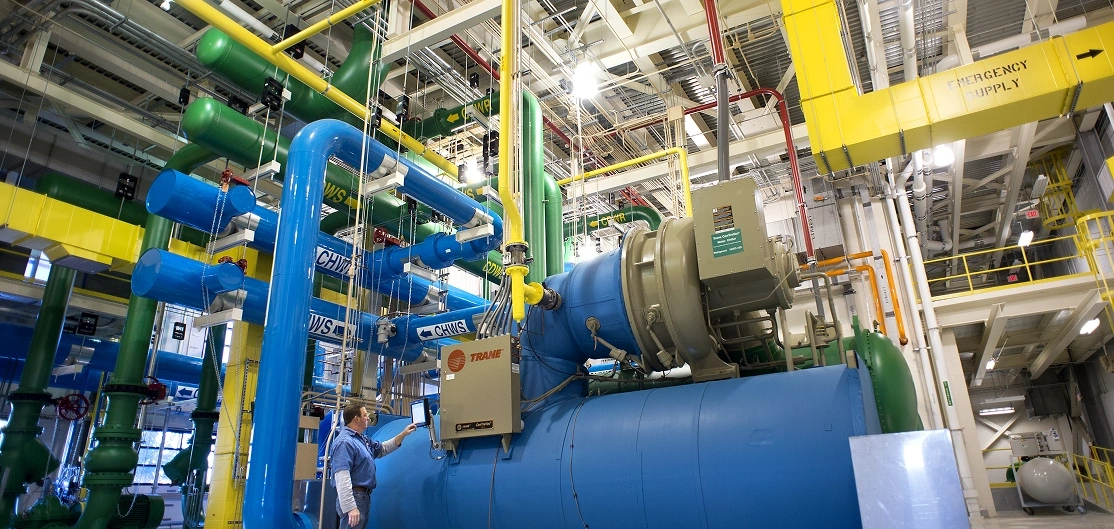
Thermography can be used across almost every part of an industrial plant. Common uses include:
Electrical Systems–Infrared inspection of industrial electrical panels, breakers, and switchgear to spot loose connections or overloaded circuits.
Mechanical Systems–Checking bearings, motors, and pumps for unusual heat patterns that suggest wear or misalignment.
HVAC Systems–Verifying performance of chillers, ducts, and insulation.
Production Lines–Monitoring heat-sensitive processes to ensure consistent quality.
Marine – Thermal imaging of DG and main-engine exhausts under representative load to verify insulation integrity and document compliance with SOLAS/AMSA hot-surface limits (≤220 °C where oil spray is possible) and personnel burn-risk criteria per ISO 13732-1.
Insurance – Infrared inspection of energised switchboards, switchgear, and breakers under normal load to identify abnormal heating from loose connections or overloads, performed under AS/NZS 4836 safe-work requirements and documented to AS ISO 18434.1/18436-7 for insurer-grade reporting
Getting the Best Out of Thermography
To make thermography effective, inspections should be part of a planned maintenance schedule. The frequency will depend on the type of equipment and how critical it is to production. For high-value or high-risk assets, quarterly or even monthly scans can be worthwhile. It is important to have qualified technicians perform the scans. They need to understand both the equipment and the thermal patterns to interpret results accurately.
Conclusion
Thermography has changed the way predictive maintenance works in industrial facilities. It lets operators spot issues inside equipment without stopping operations, so they can act before a fault leads to downtime. With thermal imaging, businesses can keep production on track, improve safety, and cut the risk of costly interruptions
For facilities that can’t afford to stop, thermography advantages for industrial equipment can help them stay competitive!